Resistant Starch and Gut Health: The Basics
Why some starches resist digestion, and why that's actually a good thing for gut health.
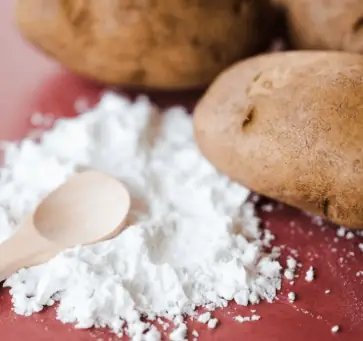
Most starch gets broken down and absorbed early in digestion. Resistant starch is the exception — and that exception turns out to matter for gut health.
What Makes Starch "Resistant"
Resistant starch resists breakdown by digestive enzymes in the small intestine, meaning it travels intact into the colon, where it becomes food for resident bacteria — functioning similarly to a fermentable fiber.
The Byproduct That Matters Most
Fermentation of resistant starch produces butyrate, a short-chain fatty acid that colon cells use as their preferred fuel source. Butyrate is one of the more-studied compounds in gut health research.
Where You'll Find It
Cooked-and-cooled potatoes, green bananas, and legumes all contain resistant starch naturally. Potato resistant starch is a concentrated, standardized supplement form of this same category.
Its Role in SodaTide
Potato Resistant Starch pairs with Chicory Root Inulin in SodaTide to broaden the formula's fermentable-fiber base. See our full Potato Resistant Starch ingredient profile for more detail.

Start Your SodaTide Routine Today
A once-daily vegetarian capsule designed to complement a balanced diet and consistent daily habits.
Order SodaTide — From $49/Bottle